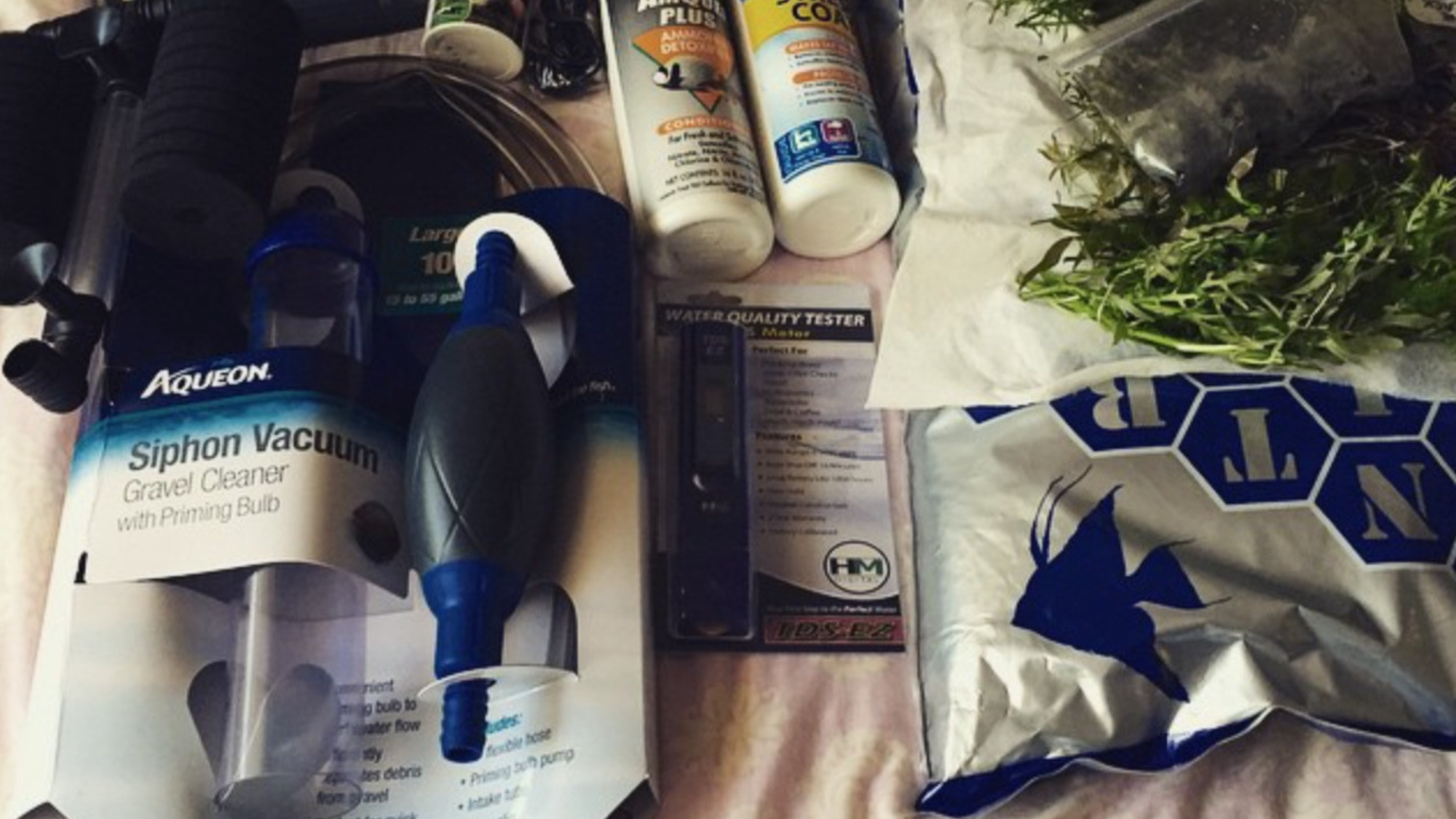
I still remember standing in that first pet store aisle, overwhelmed by wall-to-wall aquarium equipment promising everything from crystal-clear water to fish that would practically care for themselves. This has to be important, right? The package says so. Twenty-two years and countless tanks later, I've learned the hard way which gear deserves your hard-earned money — and which marketing promises will leave you with lighter pockets and frustrated fish.
The fishkeeping industry loves to sell us solutions. For every potential problem (real or imagined), there's a gadget, a chemical, a specialized tool. But here's what I wish someone had told me when Harlot first picked me from that Petco shelf: the best aquarium equipment isn't necessarily the most expensive or the most advertised. It's the stuff that actually works, consistently, without drama.
The Holy Trinity: Water Conditioner, Test Kit, and Heater
If you buy nothing else — if you ignore every other recommendation in this entire article — invest properly in these three categories. They're not glamorous. They don't make your tank look cooler on Instagram. But they'll keep your fish alive when the fancy stuff fails.
Water Conditioner: Your Daily Lifeline
I've tried them all. The bargain brands, the specialty formulas, the ones that promise to do seventeen different things at once. But I keep coming back to API Stress Coat because it simply works — every single time, without fuss or mystery ingredients I can't pronounce.
Water conditioner isn't optional. It's not something you can skimp on or forget. Versace learned this the hard way during college when my roommates (bless their hearts) dumped various questionable substances into his tank while I was away. He survived because I'd been religious about water changes with proper conditioning. The fish who get municipal water straight from the tap? They don't get that second chance.
Skip the conditioners that promise to do everything. You want something that neutralizes chlorine and chloramines reliably. The added slime coat protection is nice. The seventeen other "benefits" listed on fancy bottles? Usually marketing.
Test Kits: Knowledge is Power
The API Master Test Kit might seem expensive upfront — especially when you're already hemorrhaging money on tank, filter, and fish. But those little test strips? They're lying to you. Consistently. I spent months chasing phantom ammonia spikes with cheap strips before investing in liquid reagent tests.
The difference is night and day. Liquid tests give you actual numbers you can trust. When something goes wrong (and eventually, something always goes wrong), you need real data, not color-approximations from strips that may have been sitting in warehouse humidity for months.
You don't need to test daily once your tank is established. But during cycling, after adding new fish, when someone looks off — that's when accurate testing becomes the difference between a quick fix and a catastrophe.
Heaters: Consistency Over Features
Betta fish didn't evolve in 68-degree living rooms. Neither did most tropical species we keep. A reliable heater isn't optional, and the cheapest option isn't doing anyone favors when it inevitably fails.
Look for adjustable heaters with good reviews for consistency — not the ones promising rapid heating or digital displays. Finnex heaters have never let me down, even in my demanding shrimp tanks where temperature swings spell disaster for breeding colonies.
Get a heater rated slightly higher than your tank size. A 100-watt heater in a 75-gallon tank will run constantly and burn out quickly. A 150-watt heater in the same tank will cycle on and off properly, lasting years longer.
Filtration: Simple Beats Sophisticated
The filtration aisle is where pet stores make serious money. Canister filters with multiple chambers, UV sterilizers, protein skimmers for freshwater tanks (yes, they sell those), biological media that costs more per pound than good steak.
Here's the truth: sponge filters are workhorses. They're not pretty, but they provide excellent biological filtration, gentle water movement, and they almost never break. I've got sponge filters running tanks that have been stable for years with minimal maintenance.
For tanks with heavy bioloads or messy eaters, hang-on-back filters work beautifully. You don't need the model with seven different filter stages and LED indicators. You need consistent water circulation and media that's easy to maintain.
Skip the miracle filter media. Ceramic rings, established filter sponges, even plastic bio-balls — they all grow the same beneficial bacteria. The expensive "revolutionary" media isn't revolutionizing anything except the manufacturer's profit margins.
The Substrate Trap: When Premium Makes Sense
Regular aquarium gravel works fine for most fish. It's cheap, it's available everywhere, and it won't alter your water parameters unexpectedly. But there are times when specialized substrates earn their premium prices.
Plant substrates like Controsoil transformed my planted tanks from struggling survivors to lush underwater gardens. The upfront cost stings, but watching previously finicky plants suddenly thrive makes every penny worth it. For shrimp breeding, the pH buffering and nutrient content turned breeding attempts into breeding success.
But for basic community tanks? For single betta setups? That expensive substrate is solving problems you don't have. Save your money for the fish.
Food: Quality Over Quantity (and Variety)
The fish food aisle rivals dog food for sheer overwhelming choice. Floating pellets, sinking pellets, freeze-dried bloodworms, frozen foods, color-enhancing formulas, species-specific blends — it never ends.
High-quality staple foods matter more than variety. I'd rather feed excellent pellets daily than rotate through mediocre specialty foods. Hikari consistently produces foods that fish actually thrive on, not just survive on. The ingredients are recognizable, the nutritional profiles make sense, and I've never had quality control issues.
That said, watching Balenciaga systematically steal Hikari shrimp food and slowly turn blue from the color-enhancing ingredients was worth every stolen pellet. Sometimes the premium foods provide entertainment value too.
Skip the vacation feeding blocks. They're terrible for water quality and most healthy adult fish can easily go a week without eating. Your tank will be healthier when you return if you just don't feed rather than using those dissolving blocks of questionable nutrition.
Decorations: Function Over Flash
Your fish don't care if their cave cost five dollars or fifty dollars. They care that it provides hiding spots, breaks up sight lines, and doesn't have sharp edges that'll tear fins.
Marimo moss balls might look simple, but they're actually working — consuming nitrates, providing surface area for beneficial bacteria, creating gentle water movement as they photosynthesize. They're living decorations that improve water quality rather than just taking up space.
Live plants, when you're ready for them, provide more benefits than any artificial decoration ever could. Even easy plants like java fern or anubias contribute to water quality while giving fish natural behaviors to express.
The elaborate castle decorations and neon-colored gravel? They won't hurt anything, but they're not helping either. If they make you happy, buy them. If you're on a budget, spend elsewhere.
The Tools You Actually Need
Aquarium maintenance doesn't require a shed full of specialized tools. A quality siphon vacuum, a dedicated fish bucket, an algae scraper — these basics will handle 95% of your maintenance needs.
I've been using the same Aqueon siphon vacuum for years. It starts easily, doesn't kink, and the flow control actually works. The cheap alternatives are exercises in frustration that'll have you fighting equipment instead of enjoying fishkeeping.
A fish-only bucket is non-negotiable. The residue from household cleaners, even trace amounts, can devastate aquatic life. Label it clearly so helpful family members don't repurpose it for less fish-friendly tasks.
What You Can Skip (At Least At First)
UV sterilizers, protein skimmers for freshwater, automatic feeders, pH adjusting chemicals, bacterial supplements, water clarifiers — these all have their place in specific situations. But they're solutions looking for problems in most home aquariums.
Focus on the fundamentals first. Stable water parameters, appropriate filtration, proper feeding, regular maintenance. Master these basics with quality equipment, and you'll prevent most problems before they start.
The specialty gear can come later, when you're dealing with specific challenges or advancing to more demanding species. There's no shame in starting simple and building your equipment collection as your experience grows.
The Real Investment
The most valuable fish tank supplies aren't equipment at all — they're knowledge and patience. That betta care binder I made years ago, filled with water testing logs and behavioral observations, taught me more than any expensive gadget ever has.
Join online communities. Read beyond the pet store pamphlets (which are still dispensing advice from 1987). Learn to recognize the early signs of common problems. Understand your specific fish's needs and behaviors.
Quality equipment supports good fishkeeping practices — it doesn't replace them. The fanciest filtration system won't save fish from inconsistent maintenance. The most expensive test kit won't help if you don't know how to interpret the results.
But when you combine solid equipment with growing knowledge and genuine care for your aquatic companions, that's when fishkeeping transforms from a hobby into something deeper. That's when the money spent on the right gear — not the most gear, not the most expensive gear, but the right gear — becomes an investment in years of underwater joy.
Start with the basics. Buy quality where it matters. Skip the marketing gimmicks. Your fish will thank you, and your wallet will too.
