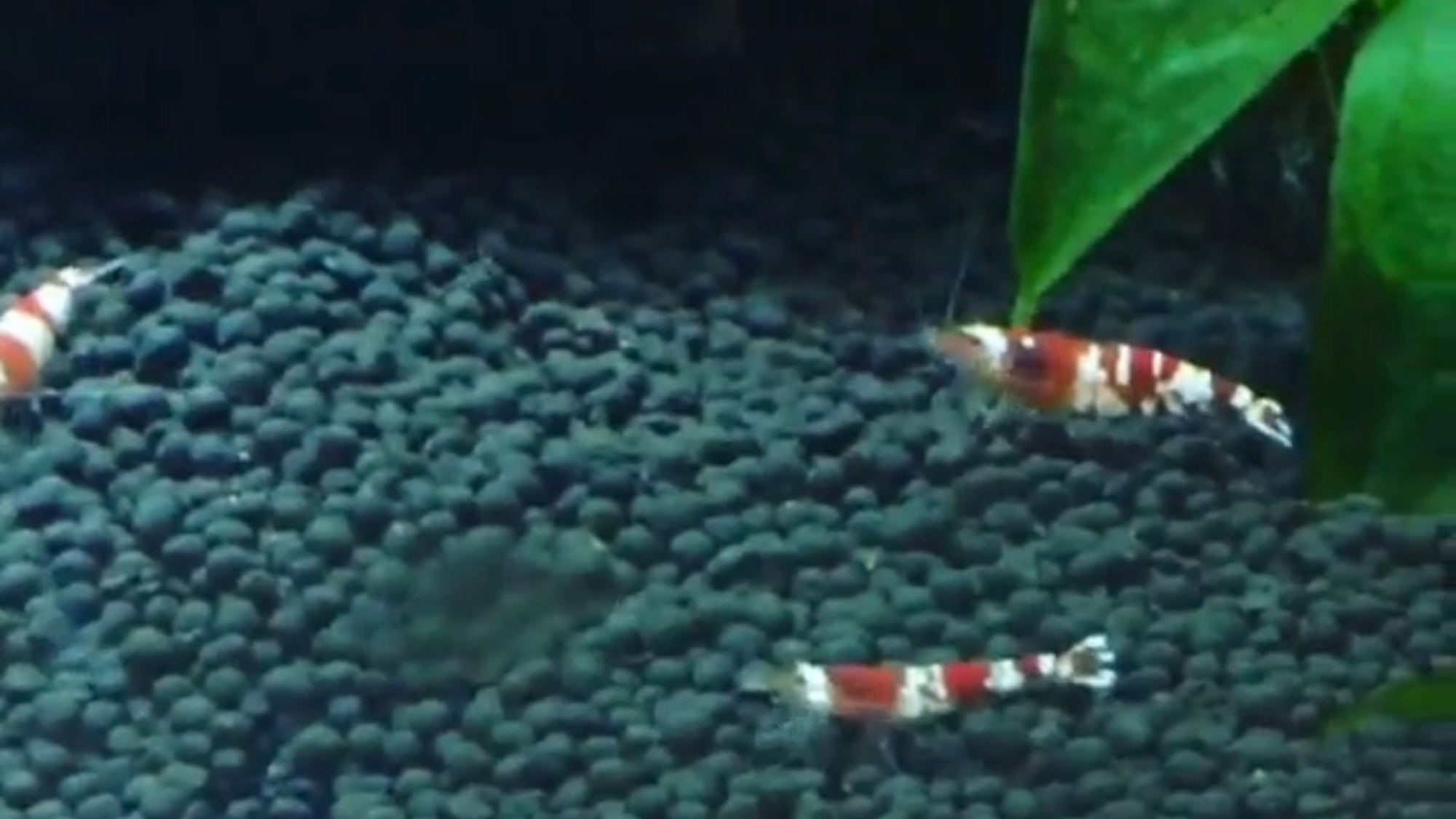
The first time I saw a berried Crystal Red Shrimp, her translucent belly heavy with tiny dark eggs, I understood why shrimp keepers become obsessed. She was tucked beneath a piece of driftwood in my carefully maintained tank, fanning those precious eggs with her pleopods — and I felt like I'd been handed the keys to some secret aquatic kingdom.
That was three clutches and countless lessons ago. Crystal Red Shrimp care isn't the beginner-friendly hobby that some forums make it out to be. These stunning red and white beauties demand precision, patience, and a willingness to learn from expensive mistakes. But when you get it right — when you wake up to find shrimplets clinging to your moss balls like tiny ornaments — the reward is extraordinary.
Understanding Crystal Red Shrimp
Crystal Red Shrimp belong to the Caridina genus, which immediately tells you everything about their care requirements. Unlike their hardier Neocaridina cousins (your Red Cherry Shrimp and Blue Jellies), CRS evolved in soft, acidic waters. They're selective. Particular. Dramatic, if we're being honest.
The grading system for CRS runs from C to SSS+, based on the opacity and coverage of their white coloration. Higher grades command higher prices — but here's what I learned the hard way: start with lower grades. Your tank, your skills, your patience all need time to develop. Those expensive SSS+ specimens will thank you for waiting.
Tank Setup for Crystal Red Shrimp
Size matters, but not the way you might think. My CRS colony thrived in a 10-gallon long tank, but I've seen successful setups in everything from 5 to 40 gallons. What matters more is stability — and smaller tanks are unforgiving of mistakes.
Substrate Choice
This is where most people stumble right out of the gate. CRS need buffering substrate — something that actively maintains the soft, acidic conditions they crave. Controsoil became my substrate of choice after trying several others, and I've never looked back. It buffers pH to around 6.0-6.8 and provides the planted tank foundation that CRS love.
Regular aquarium gravel won't cut it. Trust me — I learned this lesson with my first failed colony, watching $200 worth of shrimp slowly succumb to water parameters that were just... wrong.
Filtration and Flow
Gentle is the operative word. Sponge filters remain my go-to for shrimp tanks — they provide biological filtration without creating strong currents that stress these delicate creatures. Plus, shrimplets can't get sucked into them (a concern that kept me awake more nights than I care to admit).
I run two sponge filters in my breeding tanks: one primary filter and one backup that's always cycled and ready. Redundancy saves lives in the shrimp world.
Water Parameters: The Make-or-Break Factor
Here's where Crystal Red Shrimp care gets technical — and where most failures happen. These aren't numbers you can eyeball or guess at. You need an API Master Test Kit and the discipline to use it regularly.
The Critical Numbers
pH: 6.0-6.8 (I aim for 6.2-6.5)
GH: 4-6 dGH
KH: 0-1 dKH
TDS: 120-150 ppm
Temperature: 68-74°F
Ammonia: 0 ppm
Nitrite: 0 ppm
Nitrate: under 10 ppm
That GH range is crucial — and this is where Salty Shrimp GH+ comes into play. Unlike generic remineralizers, this product adds essential minerals without affecting KH, maintaining the soft water conditions CRS require. I mix it into RO water (yes, you'll need RO water for consistent results) until I hit my target TDS.
The learning curve here is steep. I killed my first group of CRS by trying to keep them in my tap water, thinking "close enough" was actually close enough. It wasn't.
Feeding Crystal Red Shrimp
CRS are primarily biofilm grazers — they spend their days methodically working over every surface in your tank, harvesting the microscopic feast that grows there. But they need supplemental feeding too, and what you choose matters.
Hikari Shrimp Food became my staple after trying various options. It sinks quickly, doesn't cloud the water, and provides the balanced nutrition that breeding shrimp need. I feed sparingly — what they can consume in 2-3 hours, removed if any remains.
Blanched vegetables work well too: spinach, zucchini, carrot. But here's the thing about CRS — they're pickier than Neocaridina species. What Red Cherry Shrimp devour enthusiastically, CRS might ignore entirely. Each colony develops its own preferences.
The Biofilm Connection
Encouraging biofilm growth is essential for CRS success. Marimo moss balls, pieces of driftwood, and live plants all provide surfaces for beneficial microorganisms to establish. I learned to embrace the slightly "broken-in" look of a mature shrimp tank — that thin film on surfaces isn't dirt, it's dinner.
Plants and Décor
Java moss remains the gold standard for shrimp tanks, but CRS appreciate variety. Anubias, Java fern, and Cryptocoryne species all thrive in the soft water conditions that CRS prefer. I avoid plants that require CO2 injection — the pH swings can stress shrimp.
Hiding places are essential, especially during molting. Ceramic tubes, coconut caves, and dense plant growth give nervous shrimp somewhere to retreat. A stressed shrimp is a dead shrimp in the CRS world.
Breeding Crystal Red Shrimp
When conditions are right, CRS breeding happens almost automatically. Females carry eggs for about 28-30 days, and watching them fan those precious bundles becomes a daily ritual. The first time I found shrimplets in my tank — tiny translucent specks with the distinctive CRS pattern already visible — I understood why people get addicted to this hobby.
Shrimplets are fully formed miniature adults, feeding on biofilm and requiring no special care beyond stable conditions. But here's the crucial part: they're incredibly sensitive to water parameter swings. That weekly water change routine becomes non-negotiable when you have breeding shrimp.
Common Mistakes and How to Avoid Them
I've made every mistake possible with CRS — some expensive, some heartbreaking, all educational. The biggest killer is impatience. CRS tanks need time to mature, parameters need time to stabilize, and colonies need time to establish.
Don't rush the cycling process. Don't add shrimp to a brand-new tank. Don't make dramatic parameter adjustments. The steady, boring approach wins with Crystal Red Shrimp care.
Water changes deserve special mention. I do 10-15% weekly changes with pre-mixed, temperature-matched water. Large water changes can shock CRS — I learned this watching several expensive specimens go into distress after what I thought was a helpful 50% water change.
Building Your Crystal Red Shrimp Colony
Start small. A group of 10-15 mixed-grade CRS in a well-established tank will teach you more than any article can. Watch their behavior, learn their preferences, understand their rhythms. Each colony develops its own personality.
Source your initial stock carefully. Local aquarium societies often have members breeding CRS — these tank-bred specimens typically adapt better than wild-caught imports. Ask about the breeder's water parameters and try to match them initially, then slowly adjust if needed.
The Long Game
Crystal Red Shrimp keeping is a marathon, not a sprint. Success is measured in months and years, not days and weeks. But when you watch a thriving colony — adults grazing peacefully while shrimplets explore their world — you'll understand why so many of us find this hobby irresistible.
The red and white patterns that first caught your eye become individual faces you recognize. The technical challenges transform into satisfying routine maintenance. The occasional losses sting less when balanced against the victories: berried females, successful molts, multiple generations thriving in the world you've created for them.
That's the real reward of CRS keeping — not just maintaining these beautiful creatures, but creating a slice of their natural world where they can flourish. It's aquaculture at its most rewarding, and every shrimplet that survives to adulthood is a testament to your growing expertise.
The learning curve is steep, the margin for error small, but the satisfaction of success makes every careful water change and parameter check worthwhile. Welcome to the wonderful, demanding world of Crystal Red Shrimp.
