It was 2 AM on a Tuesday, and I was hunched over my laptop in my childhood bedroom, the blue glow illuminating my face as I refreshed the AquaBid page for the dozenth time. My mother padded down the hallway in her slippers.
"Are you seriously buying a fish from Thailand right now?"
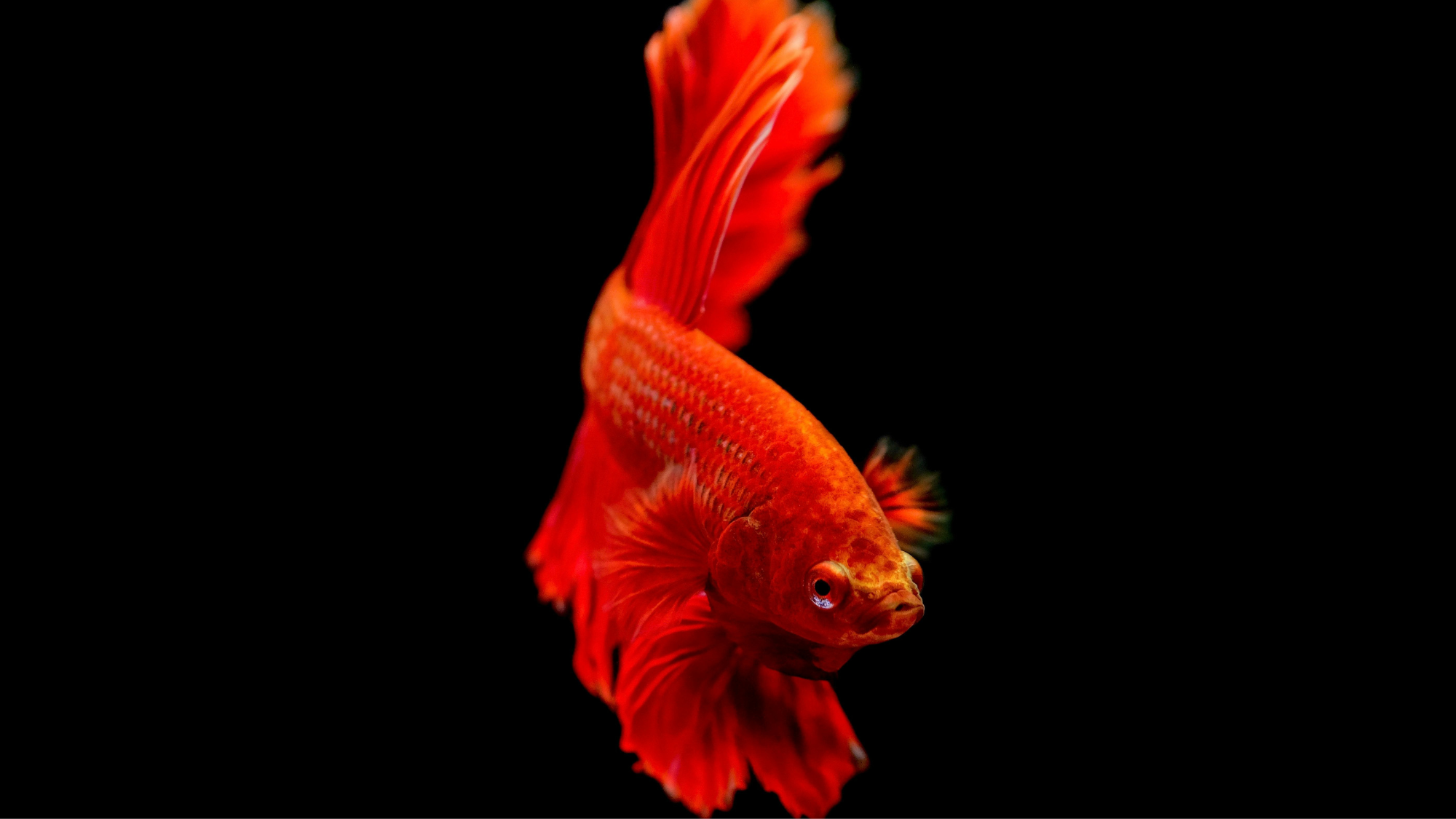
I was. And not just any fish — a stunning halfmoon male with burgundy fins that faded to cream at the edges, his photo uploaded by a breeder halfway across the world. This is ridiculous, I told myself, even as my finger hovered over the "Bid Now" button. This is also completely necessary.
That fish became Versace — named for his dramatic flair and the small fortune I'd just spent acquiring him. That 2 AM impulse purchase taught me everything I needed to know about buying bettas online, from the heart-stopping excitement of international shipping to the reality of receiving a living creature in a box.
Why Buy Betta Fish Online?
The pet store down the street had bettas, sure. Rows of plastic cups with dejected-looking fish swimming in circles, most bearing the telltale signs of poor care — clamped fins, stress stripes, that glazed look of resignation. I'd rescued plenty of those cup prisoners (Katniss, my doubletail, was a Petco save), but sometimes you want more than a rescue mission.
Sometimes you want a fish bred with intention. Fins like spun glass. Colors that don't exist in big box stores. Bloodlines traced back generations. That's where online betta shopping enters the picture — and where things get both exciting and complicated.
AquaBid became my gateway drug to the wider world of betta breeding. Think eBay, but exclusively for aquatic life. Thai breeders showcase their finest specimens alongside hobbyists in Minnesota clearing out their fish rooms. You'll find everything from $15 pet-quality bettas to $200+ show specimens that belong in art galleries.
My AquaBid Adventures (And Misadventures)
Versace's journey from a breeder's tank in Thailand to my 10-gallon setup was nothing short of miraculous — and terrifying. The seller's English was minimal. The shipping cost more than the fish. And somewhere over the Pacific Ocean, a small bag of water containing my new pet was hurtling through pressurized cargo holds.
What have I done?
The tracking information became an obsession. I refreshed the FedEx page hourly, watching Versace's progress from Bangkok to Memphis to my local distribution center. Forty-eight hours from shipping to delivery — the standard for live fish transport, and the outer limit of what most bettas can survive in a shipping bag.
When the box arrived, it was surprisingly small. Double-layered cardboard, heat packs taped to the sides (it was February), and inside — a plastic bag filled with water so dark it looked like coffee. Please be alive. Please be alive.
Versace was not only alive — he was furious. The moment I opened that bag, he flared his fins in indignation, displaying every inch of his impressive halfmoon spread. The photos hadn't lied. He was absolutely stunning.
The Acclimation Process
Here's where buying bettas online gets technical. That fish has been traveling for days, sealed in a bag with his own waste, probably stressed beyond measure. You can't just dump him in a tank — you need patience.
I floated Versace's bag in his new tank for twenty minutes, letting the temperatures equalize. Then came the gradual introduction of new water, one small cup at a time, over the course of an hour. API Stress Coat became my best friend during these transitions — that slime coat protection felt like insurance against the trauma of international shipping.
Some breeders include detailed acclimation instructions. Others assume you know what you're doing. The best sellers provide their water parameters — pH, temperature, hardness — so you can match your setup accordingly. Versace's breeder had included a small card with his breeding date, lineage, and water stats written in careful English.
What to Expect When You Buy Betta Fish Online
Online betta shopping isn't like ordering a book from Amazon. You're purchasing a living creature sight-unseen, often from someone you'll never speak to directly. Here's what the process actually looks like:
The Bidding Process
AquaBid auctions typically run 3-5 days. Unlike eBay's frenzied last-minute bidding wars, betta auctions move at a more civilized pace — until the final hours. That's when prices can double as serious collectors emerge from the woodwork.
Set a maximum budget before you start bidding. Really. It's easy to get caught up in auction fever, especially when you're competing against someone with a username like "BettaMaster2000" who clearly has deeper pockets than you do.
International Shipping Reality
Shipping a betta from Thailand to the United States costs $50-$80, regardless of whether you're buying one fish or six. The math only makes sense if you're purchasing multiple bettas or investing in a truly special specimen.
Domestic shipping runs $30-$50, but your options are more limited. Most serious breeders are still concentrated in Southeast Asia, where betta breeding is both art form and industry.
Weather matters enormously. Responsible sellers won't ship during temperature extremes — no summer heat waves, no polar vortexes. I learned this the hard way when Versace's shipment was delayed three days due to a February ice storm.
The Arrival Day Experience
Live fish arrive with signature required delivery. Plan to be home. Plan to have everything ready — heated, cycled tank, API Stress Coat, a quiet room where your new fish can decompress.
The box will be marked with "LIVE FISH" stickers in multiple languages. Inside, you'll find bags wrapped in newspaper, surrounded by heat or cold packs depending on the season. The water will be darker than you expect — that's normal. Fish produce ammonia, and shipping bags often contain ammonia-neutralizing additives that discolor the water.
Sometimes the fish looks different than the photos. Stress can wash out colors temporarily. Fins may be clamped. That perfect finnage might look ragged after 48 hours in a bag. Give them time.
Choosing Reputable Online Betta Sellers
Not all online betta sellers are created equal. Some are third-generation breeders who know their bloodlines better than their own genealogy. Others are middlemen importing fish from various sources, quality control questionable.
Look for sellers with detailed feedback systems. AquaBid maintains buyer/seller ratings, but dig deeper. Check betta forums. Ask questions in Facebook groups. The good breeders have reputations that extend beyond any single platform.
Red flags include: vague health guarantees, reluctance to provide water parameters, photos that look too perfect (heavily filtered or obviously enhanced), and sellers who won't answer basic questions about their fish.
The best sellers provide detailed information about their breeding setups, offer reasonable health guarantees (usually 3-7 days post-arrival), and maintain consistent communication throughout the process.
The Hidden Costs Nobody Talks About
That $30 betta from Thailand? By the time you factor in shipping, PayPal fees, and potential customs charges, you're looking at $100+. Then there's the tank, heater, filter, water conditioner, and time investment.
I kept a Finnex HMA 100 heater as a backup specifically for new arrivals — quarantine tanks need reliable equipment, and stressed fish are temperature-sensitive. Sponge filters became my go-to for quarantine setups because they're gentle and established quickly.
Don't forget the emotional cost. Not every fish survives shipping. Even reputable sellers occasionally lose fish in transit — weather delays, shipping mishandling, the simple stress of travel. It's heartbreaking and expensive.
Alternatives to International Shipping
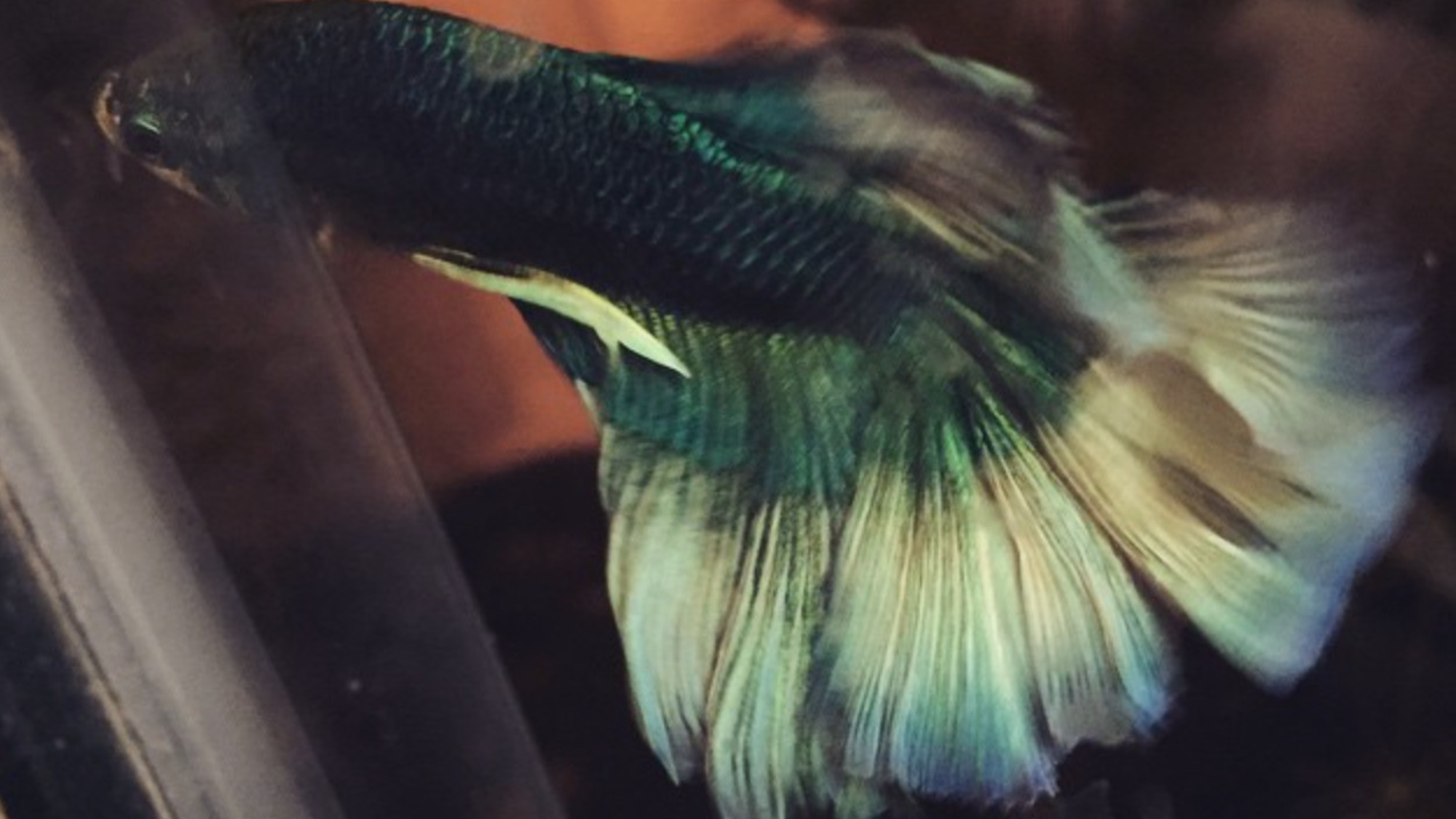
Domestic betta breeding has exploded in the past decade. Sellers like Minnesota Betta Shop offer high-quality fish without the international shipping drama. Balenciaga came from them — a gorgeous multicolor butterfly male who arrived overnight in perfect condition, swimming energetically in crystal-clear water.
Local fish shows and betta club auctions provide opportunities to see fish in person before purchasing. Facebook groups often facilitate regional sales. Instagram has become an unofficial marketplace where breeders showcase their latest spawns.
The trade-off is selection. Thai breeders still dominate the high-end market, especially for specific color patterns and fin types. If you want a copper dragon or a true black betta, you're probably going international.
Making the Decision: Is Online Betta Shopping Worth It?
Three years after that 2 AM impulse purchase, Versace was still the most beautiful fish I'd ever owned. His fins remained perfect, his colors actually intensified with age, and his personality was as dramatic as his price tag suggested. He learned to recognize me, flared on command, and once survived my college roommates' misguided attempt to "help" clean his tank by pouring dirty dishwater directly into his carefully maintained environment.
He was worth every sleepless hour of tracking information and every dollar of international shipping.
But he wasn't my first choice for beginners. The stress of international shipping, the complexity of acclimation, and the financial investment make online betta shopping better suited for experienced keepers who understand water chemistry and can provide appropriate quarantine setups.
If you're ready for the adventure — if you've successfully kept bettas alive for years, if you have proper equipment and backup plans, if you can handle the possibility of loss — then buy betta fish online opens up a world of possibilities.
Just remember: it's 2 AM somewhere, and there's probably a perfect betta waiting for someone to discover them. The question is whether you're ready for everything that comes after you hit "Buy It Now."