I still have it somewhere — that glossy pet store pamphlet I picked up the day Harlot chose me from his cramped cup on the Petco shelf. Easy Betta Care! it proclaimed in cheerful Comic Sans, complete with a photo of a gorgeous fish swimming in what couldn't have been more than half a gallon of water. Crystal clear instructions for keeping my new friend "happy and healthy" in a decorative bowl.
That pamphlet nearly killed him.
Twenty-plus years of fishkeeping later — through college dorm restrictions, midnight AquaBid purchases, shrimp breeding adventures, and more betta rescues than I can count — I've learned that pet store betta care information isn't just incomplete. It's actively harmful. Those cheerful pamphlets and well-meaning teenage employees are spreading myths that sentence thousands of bettas to short, miserable lives.
Let me walk you through exactly what they're getting wrong — and why it matters more than you might think.
The Bowl Myth: "Bettas Live in Puddles"
What they say: "Bettas come from small puddles in Thailand, so they're perfectly happy in bowls or small containers. A decorative vase makes a beautiful home!"
The reality: This is perhaps the most dangerous betta fish myth in circulation. Wild bettas inhabit rice paddies, streams, and shallow areas of larger bodies of water — environments that can span acres, not inches. Yes, they might survive temporarily in a puddle during dry season, but that's survival mode, not thriving.
A bowl isn't a home; it's a slow-motion death sentence. No filtration means ammonia buildup. No heater means temperature fluctuations. No space means stress, aggression, and boredom. I learned this the hard way with Harlot — even my "generous" one-gallon tank wasn't enough. The day I upgraded him to a proper five-gallon setup with filtration, it was like watching a completely different fish emerge. Colors brighter, fins fuller, personality transformed.
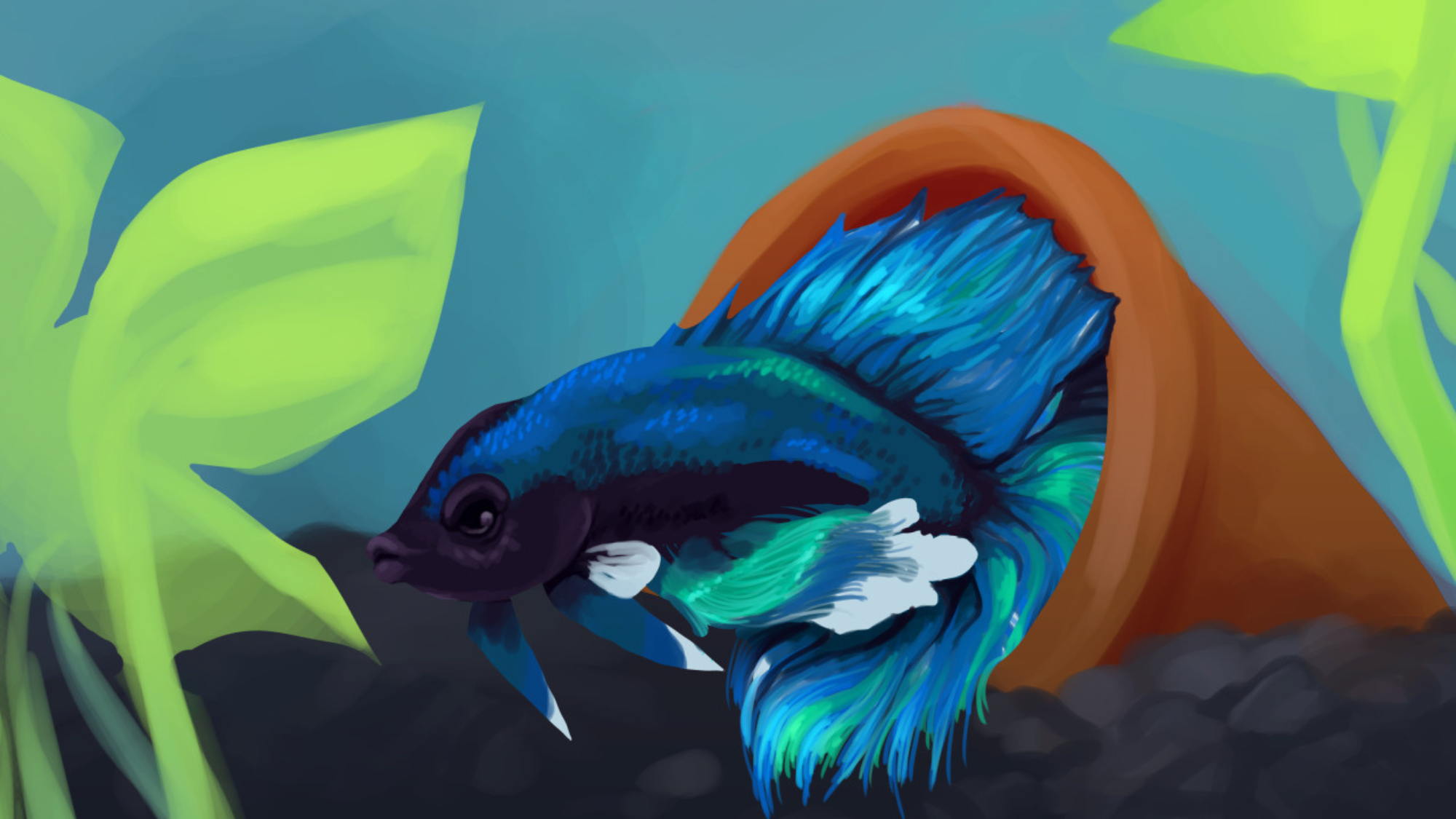
The absolute minimum for a betta is 2.5 gallons, but honestly? Go bigger if you can. Balenciaga lives in a 20-gallon planted paradise, and watching him explore every corner, investigate every leaf, steal food from his shrimp tankmates — that's what a happy betta looks like.
Temperature Troubles: "Room Temperature is Fine"
What they say: "Bettas are hardy fish that can live in room temperature water. No heater necessary!"
The reality: Bettas are tropical fish. Period. They need water temperatures between 76-82°F consistently. Room temperature might work if you live in a tropical climate and keep your house at 80 degrees year-round, but for most of us, that's not reality.
Cold bettas become lethargic, lose their appetite, and develop compromised immune systems. Their metabolism slows down, making them susceptible to diseases like ich and fin rot. I've seen too many "lazy" bettas transform into active, vibrant fish with nothing more than a proper heater.
A quality adjustable heater — I'm partial to Finnex models for smaller tanks — isn't optional equipment. It's life support.
The Feeding Fiction: "A Few Flakes Every Few Days"
What they say: "Feed your betta 2-3 flakes every other day. Their stomachs are only as big as their eye, so they don't need much!"
The reality: This advice creates malnourished, stunted bettas. While it's true that betta stomachs are small, they're active fish with fast metabolisms when properly cared for. The "every other day" feeding schedule is based on the assumption that your betta is living in a bowl with no filtration — where overfeeding quickly becomes toxic.
In a properly filtered tank, adult bettas should eat small amounts twice daily. And those generic flakes? They're mostly filler. Bettas are carnivores who need high-protein foods. Quality pellets designed specifically for bettas should be your staple, supplemented with frozen or live foods when possible.
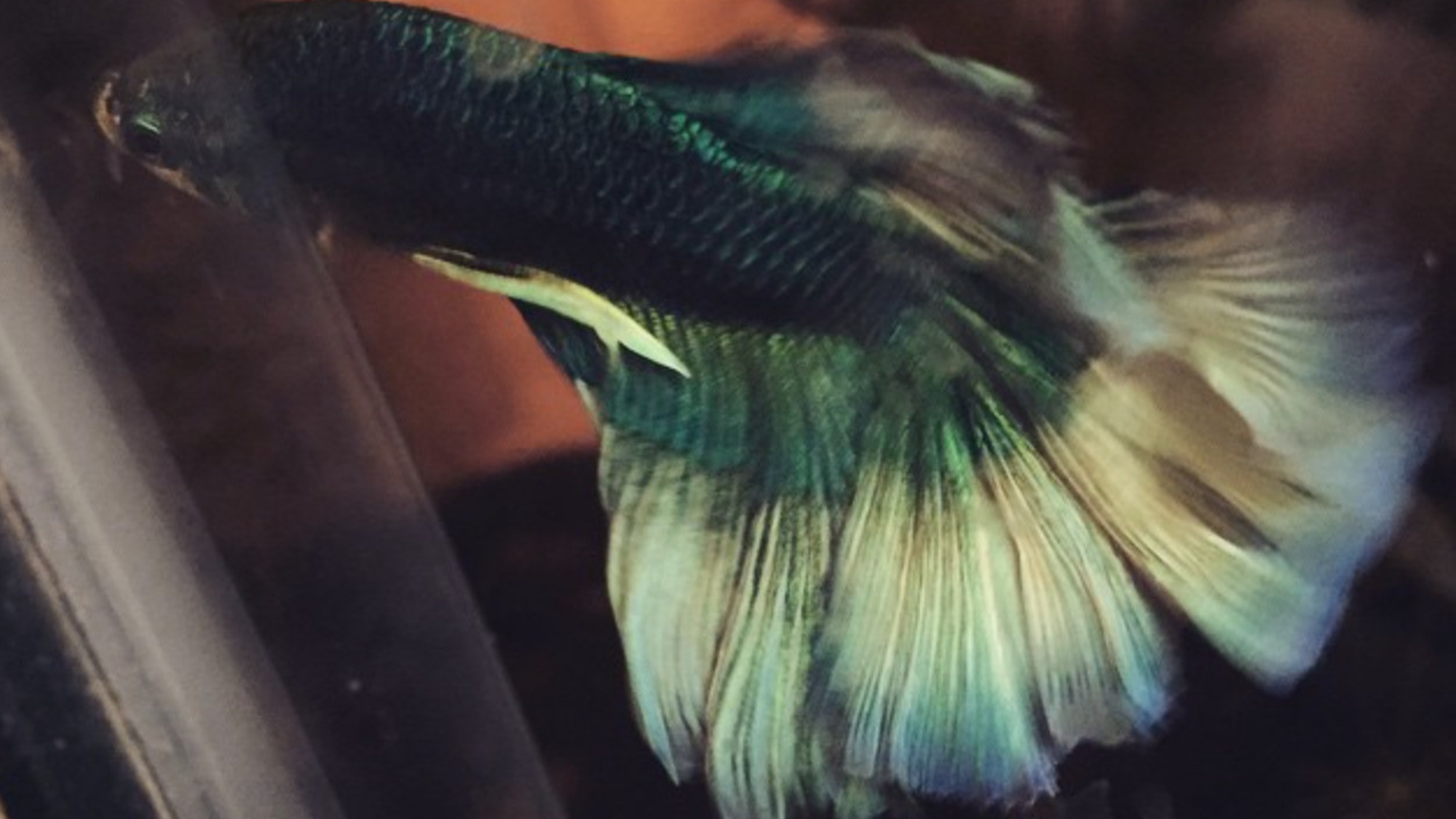
I remember watching Balenciaga discover Hikari shrimp pellets for the first time — he turned the most incredible shade of blue within weeks. Good nutrition shows.
The Filtration Fallacy: "Bettas Don't Like Current"
What they say: "Bettas have delicate fins and don't like water movement. Skip the filter to avoid stressing them."
The reality: This is a dangerous oversimplification. Bettas don't like strong current, but they absolutely need filtration. The nitrogen cycle doesn't stop existing because your fish has long fins.
Without filtration, waste products build up quickly in small tanks. Ammonia burns gills and fins. Nitrites interfere with oxygen transport. The solution isn't to skip filtration entirely — it's to choose appropriate equipment. Sponge filters are perfect for betta tanks, providing biological filtration with minimal water movement.
The key is understanding that there's a world of difference between a gentle filter and a powerhead. Your betta needs clean water more than he needs perfectly still water.
Tank Mate Madness: "Bettas Fight Everything"
What they say: "Never put anything else in the tank with a betta. They'll attack and kill everything."
The reality: Male bettas are territorial with other bettas and fish they perceive as rivals, but they can absolutely coexist with appropriate tank mates in properly sized tanks. The key word here is appropriate.
I've successfully kept bettas with mystery snails, certain shrimp species, corydoras catfish, and small schooling fish like neon tetras. The secret is tank size, hiding spots, and careful selection. A betta in a 20-gallon planted tank with plenty of territories behaves very differently than one in a cramped 2.5-gallon bare tank.
That said, every betta has a unique personality. Alastor was a gentle giant who barely noticed his tankmates, while Versace had strong opinions about anything that moved. Always have a backup plan.
Water Quality Wishful Thinking: "Change Some Water When It Looks Dirty"
What they say: "Change about 1/3 of the water weekly, or when it starts to look cloudy or smell bad."
The reality: If your betta's water looks dirty or smells bad, you're already in crisis mode. Water quality issues start long before they become visible to the naked eye.
This is where an API Master Test Kit becomes essential. Ammonia, nitrites, and nitrates build up invisibly, slowly poisoning your fish. By the time the water "looks dirty," the damage is often already done.
In a properly cycled tank, you should be doing 25-50% water changes weekly regardless of how the water looks. Use a quality water conditioner like API Stress Coat to neutralize chlorine and chloramines — your betta's gills will thank you.
The "Starter Pet" Syndrome
Perhaps the most insidious myth isn't about care specifics — it's about bettas themselves. Pet stores market them as "starter pets" for children, easy first fish that require minimal commitment.
This framing does a massive disservice to both bettas and their potential families. Bettas aren't practice pets or disposable decorations. They're individuals with distinct personalities, capable of recognizing their owners, learning routines, and living 3-5 years or more with proper care.
Versace used to do backflips when I approached his tank — actual barrel rolls in the water, showing off for food or attention. Merlotte built elaborate bubble nests in the corner by his heater every single week. Katniss, my doubletail rescue, went from a listless, fin-rotted shadow to a vibrant, curious fish who supervised everything happening in my room.
These aren't behaviors of a "simple" pet. They're signs of intelligence, personality, and emotional complexity that deserve better than a bowl on a kitchen counter.
The Real Cost of Bad Information
When pet stores get betta care wrong, they're not just spreading misinformation — they're enabling a cycle of suffering. Well-meaning families buy a "low-maintenance" pet, follow the provided instructions, and watch their fish become lethargic, sick, or die within months. They conclude that they're "bad at keeping fish" and either give up or repeat the cycle with another betta.
The fish pay the price for our industry's failure to provide accurate information.
Breaking the Cycle
Education is everything. Before you bring home your next betta, do your research from reputable sources. Join communities like the modern equivalents of the old bettafish.com forums where I learned so much. Ask questions. Challenge advice that seems too simple.
And when you see those glossy pamphlets at the pet store, remember: the most important word in fishkeeping isn't "easy." It's "responsible."
Your betta deserves better than a bowl and a prayer. They deserve heated, filtered, appropriately sized homes. They deserve proper nutrition, clean water, and owners who understand that small doesn't mean simple.
Most importantly, they deserve to be seen as the complex, beautiful individuals they actually are — not the cartoon caricatures painted by pet store mythology.
Trust me: the difference between surviving and thriving is everything.