I never wanted a red one.
I remember standing in front of the betta wall at Petco, scanning the rows of tiny cups like a kid at an adoption event — which, in a way, it was. My criteria were firm: something exotic, something unique, something that didn't look like every other betta on every other shelf in every other pet store in America. Not a red one, I told myself. They're all red.
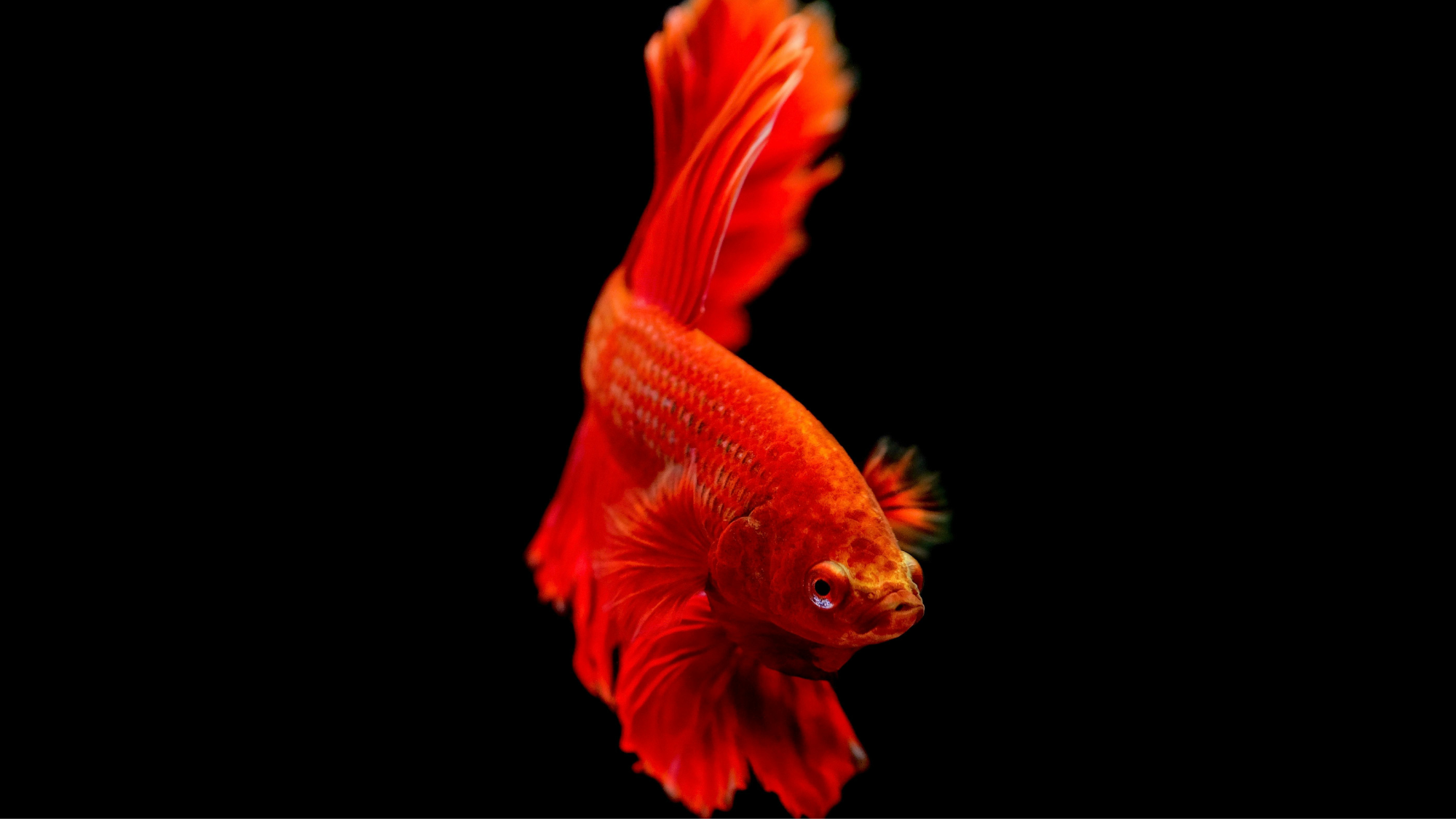
And then this little red fish — this absolute nobody of a veiltail — pressed himself against the side of his cup, waggled his fins, and did what I can only describe as a dance. A full-body, look-at-me, take me home, Mama shimmy.
I named him Harlot. He was my first betta, and he ruined me for all other pets.
That's the thing nobody tells you about fishkeeping. You walk in thinking you're buying a decoration — a splash of color for your desk, a low-maintenance alternative to a dog. You walk out with a creature who has opinions about his food, a vendetta against his own reflection, and an inexplicable ability to make you feel chosen.
The Myth of the Easy Pet
Here's where I need to get honest with you: nearly everything you've been told about betta care is wrong.
I know this because I've read the pamphlets. I've stood in the fish aisle at PetSmart and picked up their betta care guide — the glossy little trifold that tells you bettas thrive in bowls, that a one-quart container is sufficient, that you should feed them as much as they'll eat in three minutes twice a day. I've read Petco's version too, which cheerfully suggests a minimum tank size of one-quarter gallon and water changes once a month.
One-quarter gallon. Let that sink in for a moment.
These pamphlets exist because pet stores have a financial incentive to sell you the smallest, cheapest setup possible. A betta in a bowl requires no filter, no heater, no test kit, no water conditioner — just a fish and a prayer. It's a better margin. It's also, to put it plainly, a slow death sentence.
Bettas are tropical fish. They need warm, filtered, conditioned water. They need space to swim — real space, not a cup's worth. They need stimulation, clean water, and an owner who understands that a fish is not a screensaver. It is a living thing with a heartbeat and, if you pay attention, a personality.
What Harlot Taught Me
I made every mistake in the book with my first tank. I started with a one-gallon setup — partly because I was in college and the university had tank size restrictions, partly because I didn't know better. I did water changes with a turkey baster and a bucket from the 99-cent store. I panicked every time Harlot did something I didn't understand, which was often, because bettas are dramatic creatures who enjoy keeping their owners on edge.
But here's what I'll say about starting small and starting imperfectly: it's how you learn. I found my way to bettafish.com — a forum full of people who knew infinitely more than I did and were, for the most part, extraordinarily kind about it. A member named Sakura8 essentially held my hand through every crisis, every weird behavior, every frantic "is this normal?!" post. Without her and that community, I would have remained the kind of fish owner who didn't know what she didn't know.
And that's the real danger — not the mistakes themselves, but the not knowing. The pet store pamphlet tells you everything is fine. The forum tells you the truth.
What I Wish Someone Had Told Me on Day One
If I could go back and hand myself a list — a real one, not a Petco trifold — it would look something like this:
Get a real tank. A one-gallon is survivable. A five-gallon is where your fish starts to live. I eventually worked my way up to a 20-gallon planted tank, and the difference in my betta's behavior was staggering. More space doesn't just mean more water — it means a more stable environment, better filtration, room for live plants, and a fish who actually gets to explore.
Buy a test kit, not test strips. The API Freshwater Master Test Kit was one of the first real investments I made in fishkeeping, and it's still the one product I recommend above all others. Test strips are convenient the way fast food is convenient — quick, easy, and unreliable. The liquid kit tells you the truth about your water, and your water is everything.
Condition your water. Every time. I used API Stress Coat religiously. Still my favorite. It removes chlorine, detoxifies heavy metals, and adds a protective slime coat. Every single water change, no exceptions. The day you get lazy about water conditioner is the day you learn an expensive lesson.
Heat is non-negotiable. Bettas are tropical. They need water between 76 and 82 degrees Fahrenheit. A Finnex heater and a simple thermometer are baseline requirements — not accessories, not upgrades, requirements. I cannot stress this enough. A cold betta is a sick betta.
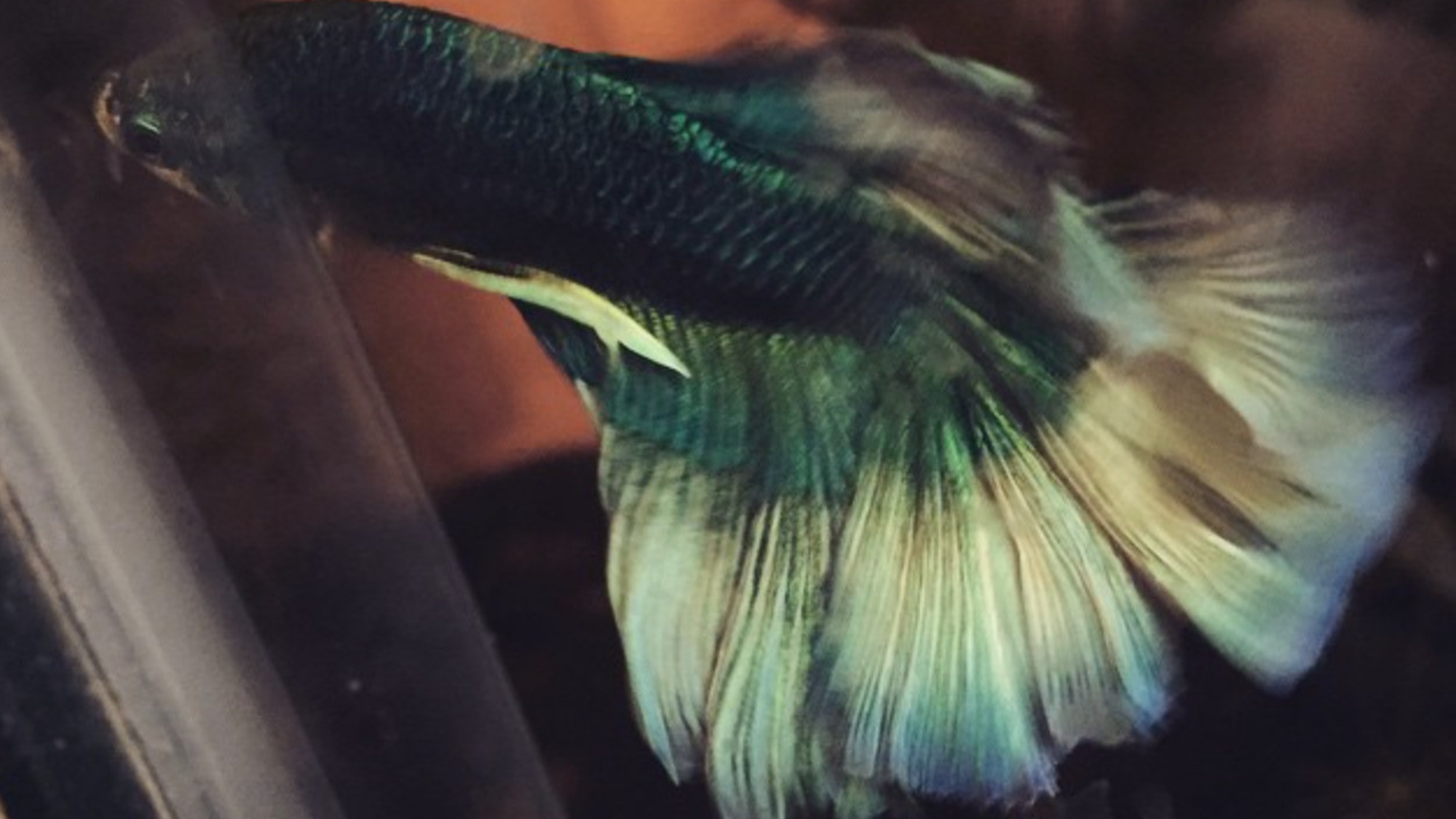
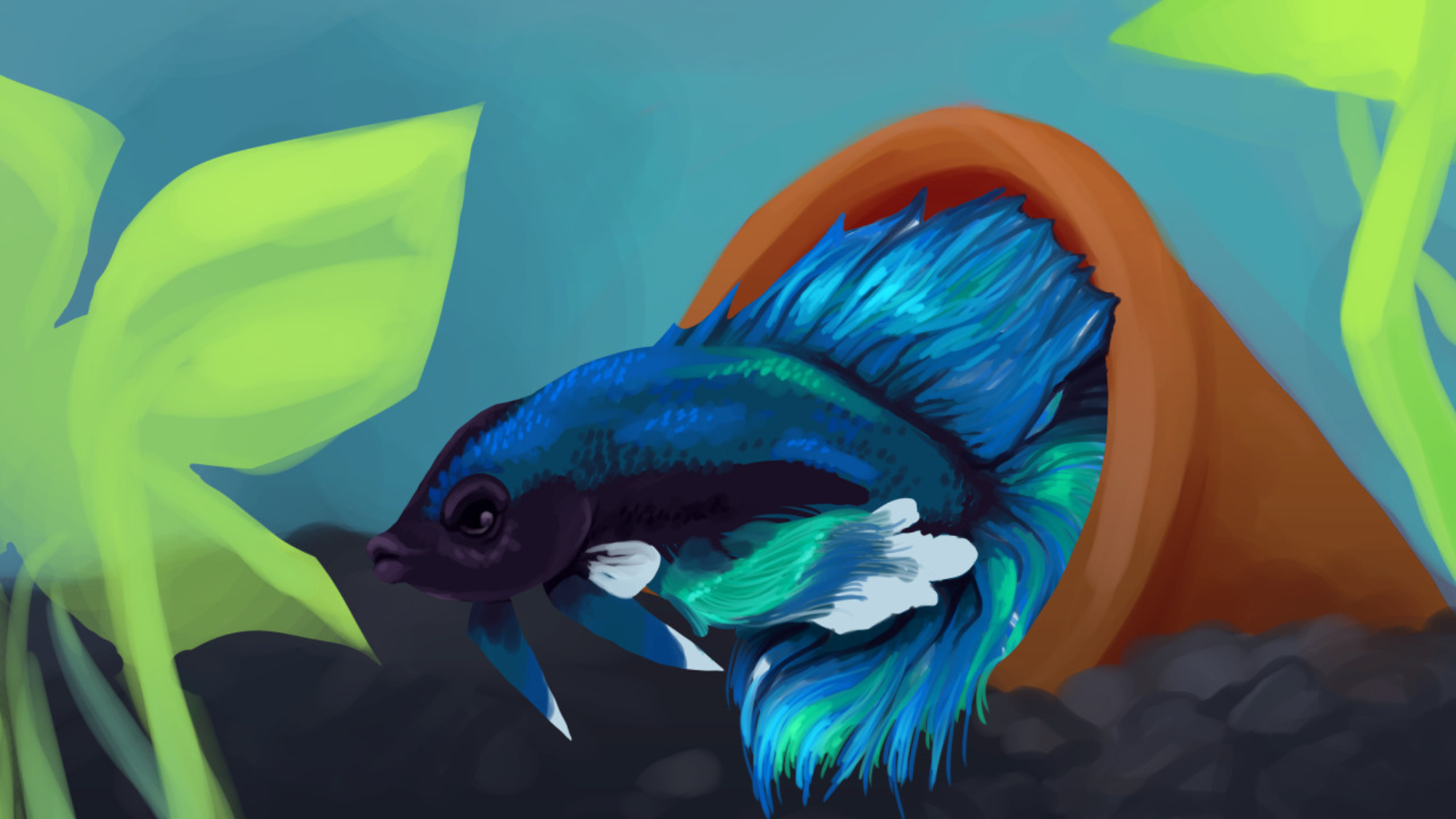
Your fish has a personality. Pay attention to it. Harlot was a showoff. Versace was regal and a little vain — he earned that name. Alastor was neurotic and sweet in equal measure. Balenciaga was a thief who ate the shrimp's food and turned himself blue in the process. Every fish I've ever kept has been an individual, with preferences and moods and little quirks that revealed themselves over time. When you start paying attention to who your fish is — not just what it needs — the hobby transforms from maintenance into relationship.
The Community You Didn't Know You Needed
Fishkeeping can be isolating in a way that dog ownership never is. Nobody stops you on the street to admire your halfmoon. Your coworkers will smile politely when you show them a photo of your tank, but they will not understand why you're emotional about it. You will, at some point, cry over a fish, and someone will make you feel silly for it.
Find your people anyway.
The forums, the Reddit communities, the fishblr crowd — they're out there, and they care about the same things you care about. They'll help you diagnose a fin rot issue at midnight. They'll celebrate your first successful water change. They'll understand — really understand — when you lose one.
I've had people in my life who thought fishkeeping was a quirky hobby, a phase, a thing I'd outgrow. But the truth is, the day Harlot did that little dance in his Petco cup, something shifted in me. I learned patience from water changes and humility from rookie mistakes. I learned that grief doesn't scale to the size of the creature, and that community can form around the strangest, most wonderful shared obsessions.
So if you're standing in front of that betta wall right now, scanning the cups, telling yourself you want something exotic — let me save you some time.
The red one is going to pick you. And you're going to be just fine.