I'm standing in my college dorm room at 2 AM, watching Versace — my gorgeous halfmoon from Thailand — swimming in circles in his new tank. Something's wrong. The water is crystal clear, the temperature perfect, the filter humming quietly so my roommate won't complain. Yet here he is, gasping at the surface, his fins clamped tight against his body. I'd done everything the pet store pamphlet told me to do. I'd rinsed the gravel, added the conditioner, waited exactly fifteen minutes before adding him.
What I didn't know — what nobody had bothered to explain — was that my tank wasn't actually ready for fish. It was a beautiful glass box filled with chemically safe water, but it wasn't a home. It wasn't an ecosystem. It was, quite literally, toxic.
This is the story of every fishkeeper who's ever skipped the nitrogen cycle. And if you're reading this, frantically googling at midnight because your fish is acting strange, or if you're planning your first tank and want to do it right — this is for you.
The Nitrogen Cycle Isn't Optional (Even Though We Pretend It Is)
Here's the thing about how to cycle a fish tank: it's boring. It's slow. It involves a lot of waiting and testing water and more waiting. There are no pretty fish to photograph, no decorating decisions to make. Just chemistry — patient, methodical, unsexy chemistry.
But here's what I learned the hard way, watching Versace struggle in that dorm room: the nitrogen cycle aquarium process isn't some academic exercise. It's literally the difference between life and death for our fish.
Every time your fish breathes, every time they eat and digest food, every time a plant leaf decays — ammonia enters the water. In nature, beneficial bacteria colonies break this ammonia down into less harmful compounds. But in our glass boxes, we have to cultivate these bacteria ourselves. We have to create the ecosystem before we can inhabit it.
What Actually Happens During the Nitrogen Cycle
The nitrogen cycle is elegantly simple in theory. Fish waste and uneaten food break down into ammonia (NH3). Beneficial bacteria called Nitrosomonas convert ammonia into nitrites (NO2). Then another group of bacteria, Nitrobacter, converts nitrites into nitrates (NO3). Nitrates are much less harmful — manageable through regular water changes.
Ammonia burns fish gills and damages their organs. Nitrites bind to their blood cells, preventing oxygen transport. Both will kill your fish slowly and painfully. This is why we cycle.
The process takes time because bacterial colonies grow exponentially — slowly at first, then rapidly. You're literally growing invisible life to support visible life. It typically takes 4-6 weeks for a fishless cycle to complete, though temperature, pH, and other factors can speed up or slow down the process.
Fishless Cycle: The Right Way to Start
A fishless cycle means establishing your bacterial colonies before adding any fish — using an ammonia source that won't suffer while you wait. This is always the kindest approach.
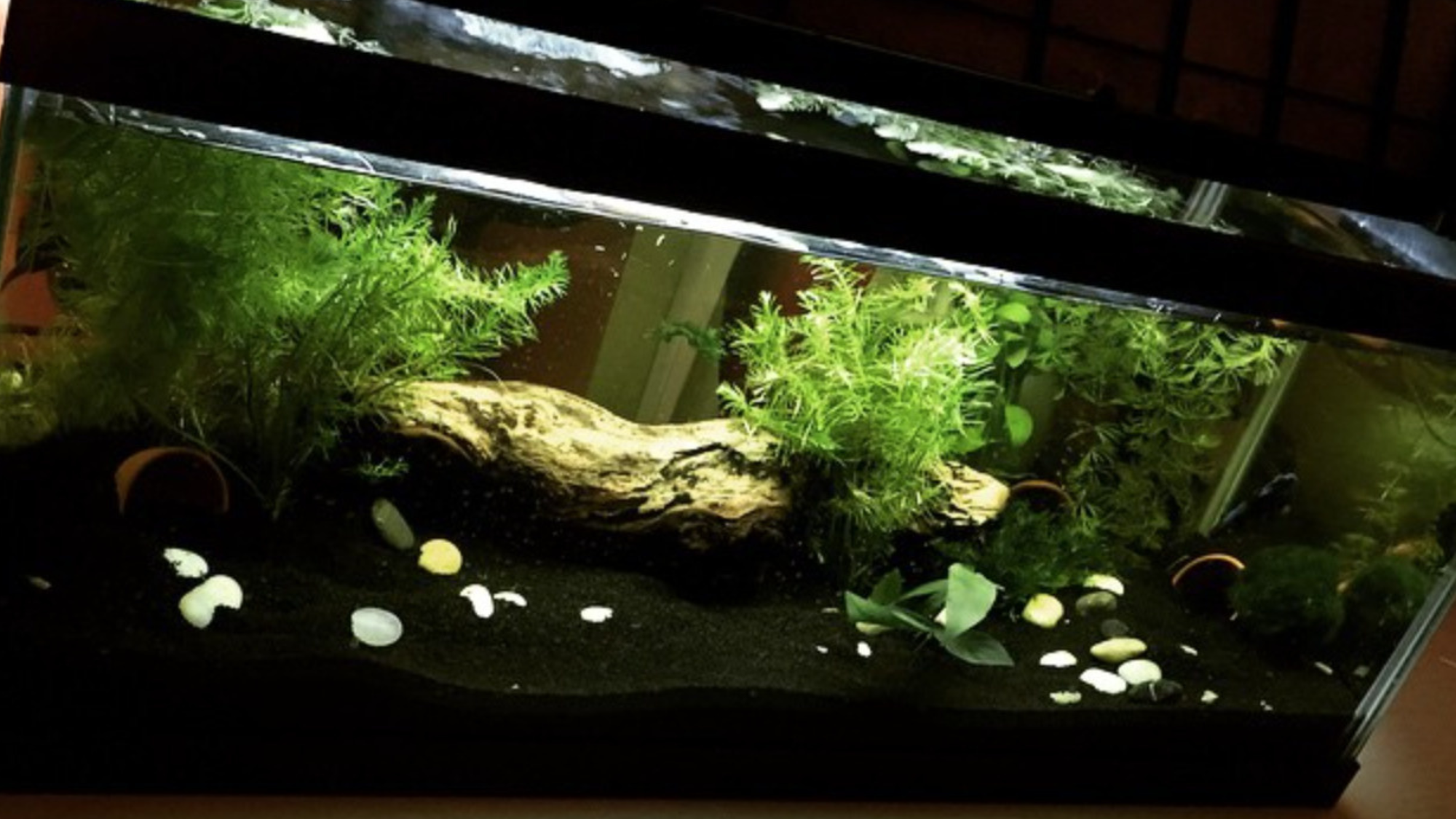
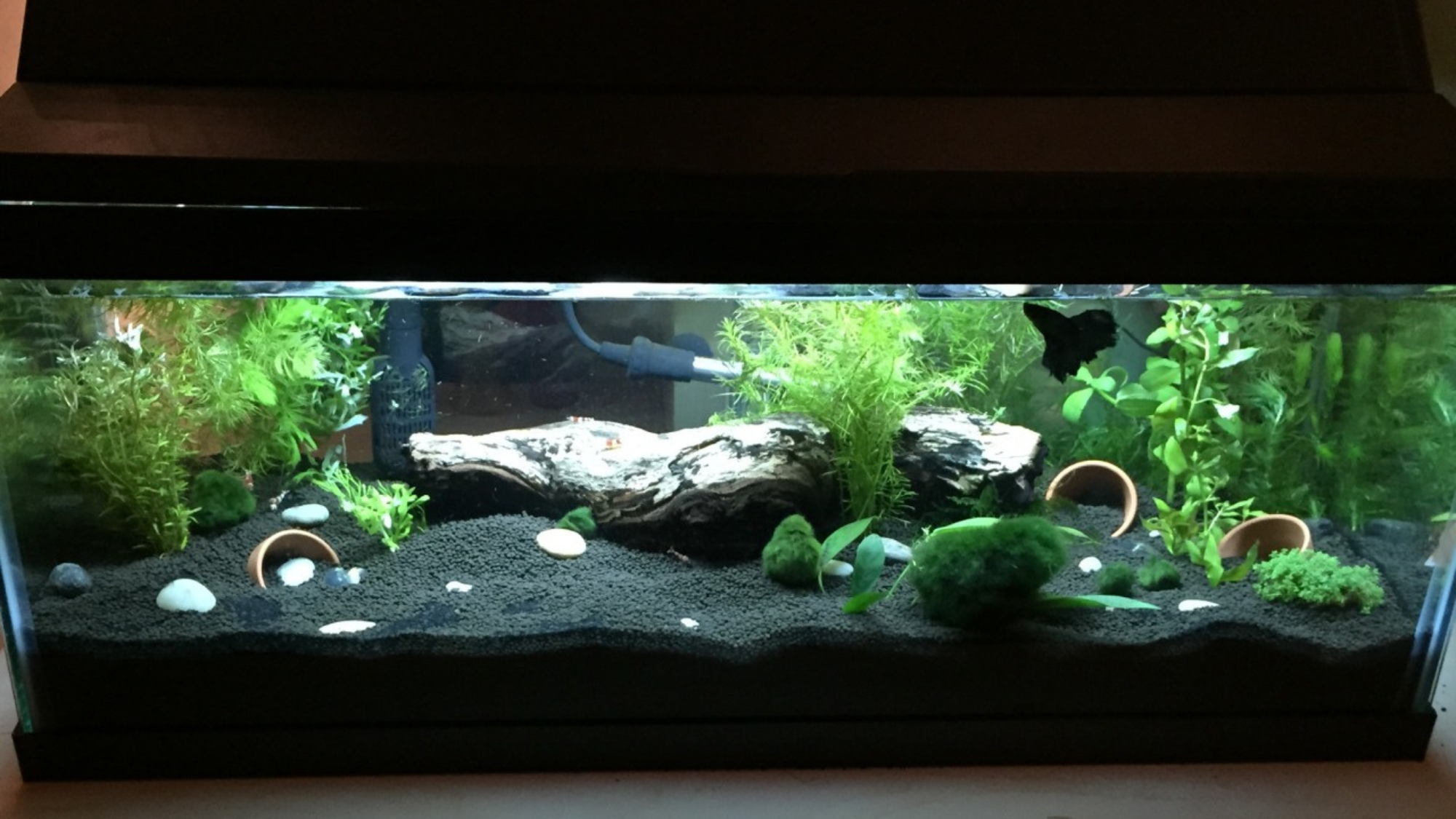
Set up your tank completely — substrate, decorations, plants, filter, heater. Everything should be running as if fish were already living there. Fill with dechlorinated water (I swear by API Stress Coat — it's been my go-to conditioner since my Harlot days, and it adds beneficial slime coat protection beyond basic chloramine removal).
Now you need an ammonia source. Pure, unscented household ammonia works (check ingredients — nothing but ammonia and water). Add enough to bring your tank to 2-4 ppm ammonia. Some people prefer fish food — a pinch every few days — but this is messier and harder to control.
Test daily with a reliable test kit. The API Master Test Kit has been my standard for over a decade — yes, the color matching takes practice, but it's accurate and comprehensive. You're watching for ammonia to rise, then fall as nitrites appear. Then nitrites rise and fall as nitrates appear.
The Waiting Game
Week one: Ammonia sits stubbornly high. Nothing seems to be happening. This is normal. Bacterial colonies are microscopic when they start.
Week two-three: Nitrites appear. Ammonia starts dropping. Progress! But nitrites can spike higher than ammonia ever did. Don't panic.
Week four-six: Nitrites crash to zero. Nitrates accumulate. Your tank can now process ammonia and nitrites within 24 hours. You're cycled.
The Test That Tells You You're Ready
Add ammonia to bring levels to 2 ppm. Test 24 hours later. If both ammonia and nitrites read zero (with nitrates present), your cycle is complete. If not — wait another week and test again.
This isn't about impatience. Alastor, my dragonscale butterfly, came from a tank where the previous owner rushed this process. He arrived stressed and sick, taking months to fully recover from what should have been a smooth transition. Time spent cycling is time saved nursing sick fish.
Seeding Your Cycle: Borrowing Life
You can jump-start the process by borrowing established bacteria. Squeeze filter media from an established tank into your new one. Add a handful of substrate from a healthy aquarium. Even those Marimo moss balls from an established tank carry beneficial bacteria on their surfaces.
Commercial bacterial supplements exist, but results vary. I've had better luck with physical media from established tanks — actual bacterial colonies rather than dormant spores trying to wake up.
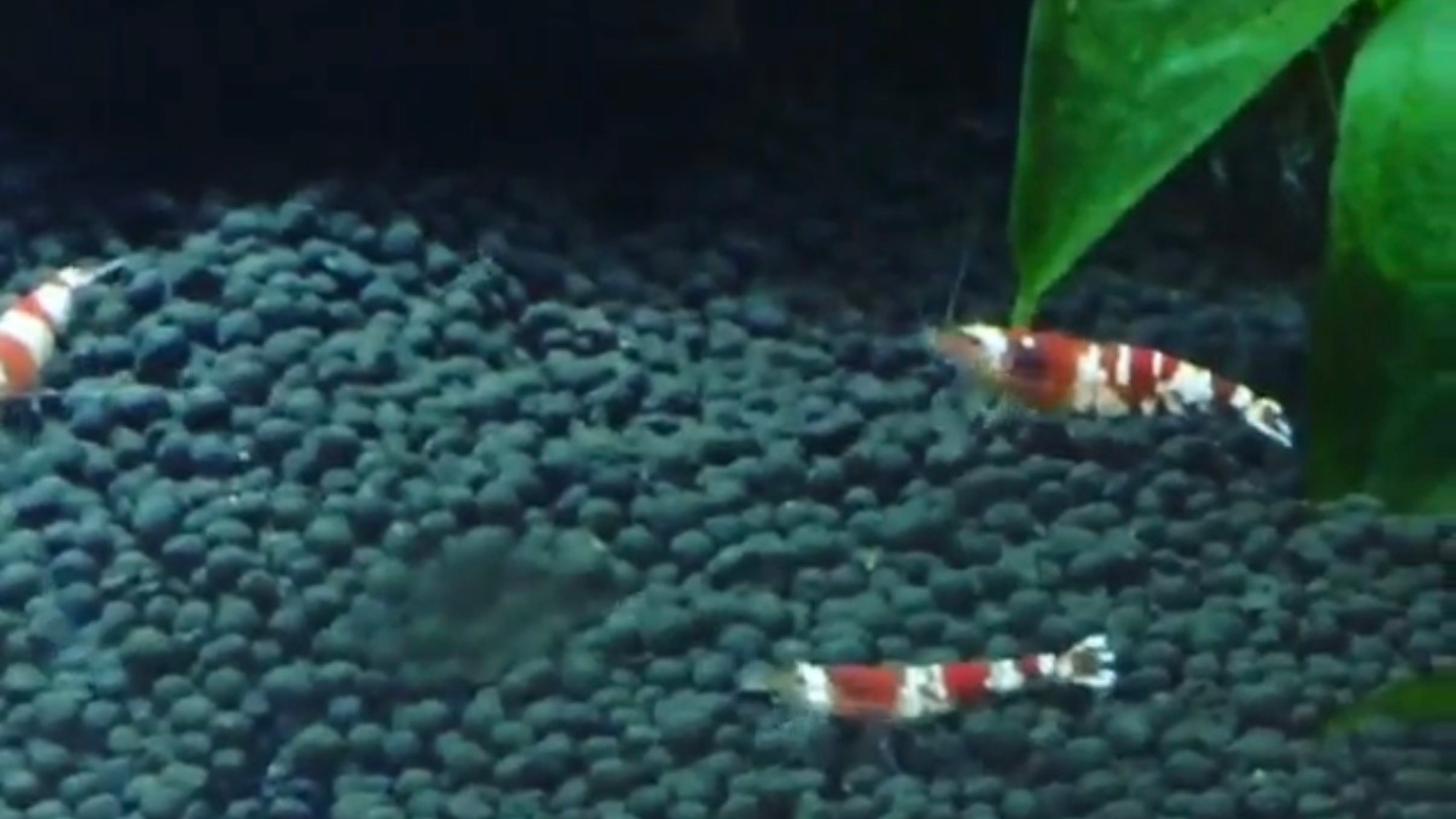
When I set up Balenciaga's 20-gallon planted tank, I used filter media from my shrimp tanks. The cycle completed in two weeks instead of six, and he never experienced the stress of an uncycled environment.
Planted Tanks and the Nitrogen Cycle
Live plants consume ammonia, nitrites, and nitrates — acting as biological filtration. A heavily planted tank can sometimes skip traditional cycling through "silent cycling," where plants consume nitrogen compounds as fast as they're produced.
But plants take time to establish too. Newly planted tanks often experience die-off as plants adjust to new conditions. Decaying plant matter adds to the ammonia load. Even planted tanks benefit from cycling before adding fish.
Signs Your Tank Isn't Properly Cycled
Fish gasping at the surface. Clamped fins. Lethargy. Loss of appetite. Red, inflamed gills. These symptoms can indicate ammonia or nitrite poisoning — your cycle isn't complete, or your bioload exceeds your bacterial capacity.
Test immediately. Ammonia or nitrites above zero with fish present requires emergency action: large water changes, temporary filtration, reduced feeding. Don't just treat symptoms — address the underlying cycle issue.
Maintaining Your Cycle Long-Term
Beneficial bacteria need oxygen and food (ammonia) to survive. Clean filter media in tank water, never tap water — chlorine kills bacteria instantly. Don't over-clean your substrate; bacterial colonies live there too.
If you must medicate, research whether treatments affect bacterial colonies. Some antibiotics will crash your cycle, requiring you to monitor and potentially re-establish bacterial populations.
Power outages lasting more than a few hours can damage bacterial colonies due to lack of oxygen circulation. Have a plan for maintaining filtration during outages if you live in an area prone to power loss.
The Patience Pays Off
Watching Versace recover in that dorm room — after emergency water changes and a crash course in nitrogen chemistry courtesy of the bettafish.com community — taught me that our fish depend on invisible foundations we create for them. We are ecosystem engineers.
Every thriving tank starts the same way: empty, waiting, cycling through chemistry until life can sustain life. It's not the exciting part of fishkeeping, but it's the most important. Your future fish will never know you waited weeks for them — they'll simply know the water feels like home from the moment they enter it.
The nitrogen cycle isn't a hurdle to rush through. It's the first gift we give our fish: a world that's ready for them, where they can breathe easily and thrive. That's worth the wait.