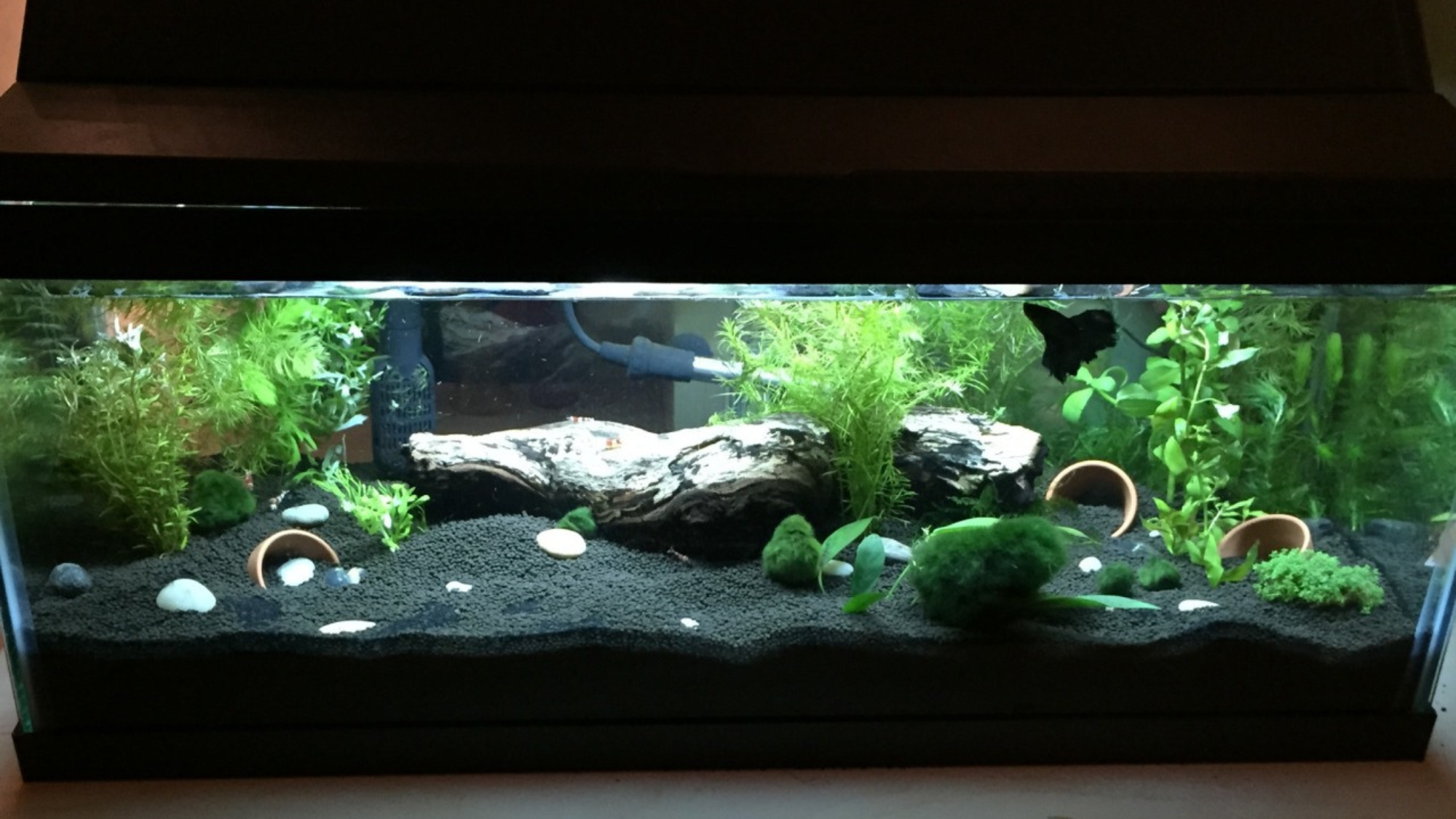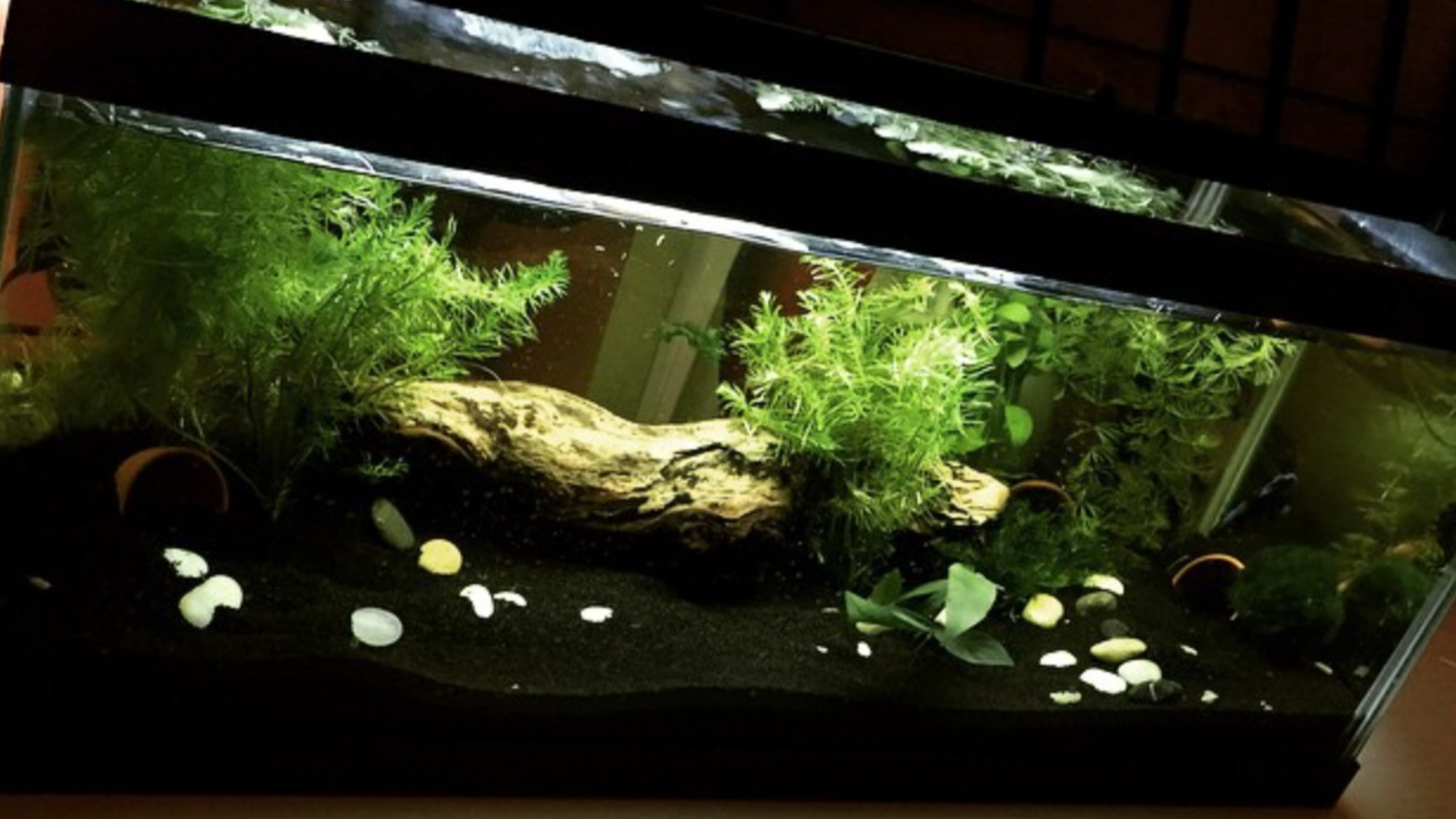
Balenciaga pressed his face against the glass, watching me arrange yet another silk plant in his corner. This looks ridiculous, I thought, stepping back to survey the hot pink monstrosity I'd just anchored to a piece of driftwood. The plastic leaves floated unnaturally upward, defying every law of aquatic physics — and my betta's expression seemed to mirror my disappointment. That was the moment I knew something had to change.
The leap from artificial decorations to live plants felt impossible back then. Like crossing some invisible threshold from amateur to real aquarist. But here's what I wish someone had told me: planted aquariums aren't reserved for experts with chemistry degrees and thousand-dollar CO2 systems. They're for anyone willing to start simple and learn as they go.
Why I Avoided Live Plants (And Why You Might Too)
Let me paint you a picture of my early fishkeeping days. College dorm room, strict tank size restrictions, and a beautiful red veiltail named Harlot who'd picked me from a Petco shelf. Her first home was a basic 2.5-gallon with artificial plants, rainbow gravel, and a ceramic castle that screamed "beginner." The pet store pamphlet I'd received promised that live plants were "advanced" — requiring special lighting, fertilizers, and maintenance that would surely kill my fish if I got it wrong.
Sound familiar? The aquarium industry has a talent for making planted tanks seem intimidating. Special substrates! Liquid carbon! Photo periods! The terminology alone sent me running back to the silk plant aisle for years.
But watching Balenciaga in that stark, artificial environment changed everything. Real plants weren't just about aesthetics — they were about creating a living ecosystem where my fish could truly thrive.
Starting Simple: My First Live Plant Experiment
My entry into the planted aquarium world began with a single Marimo moss ball. Not technically a plant (it's an algae), but it felt like a safe first step. Round, green, virtually indestructible — what could go wrong?
Nothing, as it turns out. That little moss ball rolled around Balenciaga's tank for months, requiring zero special care beyond occasional gentle squeezing during water changes. It sparked something in me. If this works, what else might?
The next addition was an Anubias nana tied to a piece of driftwood. Another bulletproof choice, though I didn't know it at the time. These slow-growing plants attach to hardscape rather than rooting in substrate — perfect for someone terrified of plant-specific soil requirements. Balenciaga immediately claimed the broad leaves as his favorite resting spot.
Low-Light Champions for Nervous Beginners
Emboldened by my early successes, I researched other low-maintenance options. Java fern became my next obsession — those prehistoric fronds adding drama without demands. Like Anubias, it attaches to wood or rocks rather than requiring special substrate. Revolutionary, I thought, watching new plantlets develop on the parent leaves.
Amazon sword plants followed, their broad leaves creating natural territories in the tank. These do root in substrate, but they're forgiving enough to thrive in regular aquarium gravel with occasional liquid fertilizer. Nothing fancy — just basic plant food added during weekly water changes.
The Substrate Revelation
The real transformation came when I upgraded Balenciaga from his 5-gallon to a proper 20-gallon planted tank. This meant confronting my fears about specialized substrate — and discovering that plant-specific soil isn't the monster I'd imagined.
Controsoil became my substrate of choice after extensive research and forum recommendations. Unlike regular gravel, it provides nutrients directly to plant roots while maintaining the slightly acidic pH that both plants and bettas prefer. The initial cloudiness during setup made my heart race — have I ruined everything? — but cleared within days to reveal rich, dark substrate that made colors pop.
Setting up planted substrate requires patience. Layer it carefully, add water slowly to minimize cloudiness, and resist the urge to vacuum aggressively during early water changes. The soil will compact and settle naturally over the first few weeks.
Equipment That Actually Matters
One of the biggest planted aquarium myths is that you need expensive, specialized equipment from day one. My current setup uses surprisingly basic gear that any beginner can manage.
Lighting was my biggest concern initially. Would my plants survive under basic LED fixtures? The answer, for low-light species, is absolutely yes. I started with a simple full-spectrum LED that came with the tank — nothing fancy or expensive. Most beginner-friendly plants thrive under moderate lighting, and too much light often creates more problems (hello, algae blooms) than too little.
Filtration stayed simple too. The same sponge filters I'd always used worked perfectly in planted setups. They provide gentle water movement without creating strong currents that stress plants or bettas. Plus, the beneficial bacteria colony that develops on sponge media helps process fish waste into nutrients plants can use.
My trusty Finnex HMA 100 heater maintained stable temperatures just as well in the planted tank. Consistency matters more than specific temperature ranges — most tropical plants adapt to the same 78-80°F range that bettas prefer.
The Water Chemistry Learning Curve
Plants changed my relationship with water parameters completely. Suddenly, my API Master Test Kit wasn't just about fish health — it became a window into plant nutrition too.
Nitrates, once the enemy to be minimized, became plant food to be managed. Healthy planted tanks can handle higher nitrate levels because plants actively consume them. This creates a beautiful balance: fish waste feeds plants, plants clean water for fish. Nature's own recycling system, right there in my living room.
My water change routine evolved too. Instead of aggressive weekly cleanings, I shifted to gentler maintenance that preserved the delicate ecosystem balance. API Stress Coat remained my go-to water conditioner, neutralizing chlorine while protecting fish during changes — but now I added liquid fertilizer to replace nutrients that plants had consumed.
The learning curve felt steep at first. Testing, adjusting, observing plant responses. But patterns emerged quickly. Yellowing leaves indicated nutrient deficiency. Excessive algae growth suggested too much light or fertilizer. Plants, I discovered, communicate clearly once you learn their language.
Unexpected Joys and Challenges
Nothing prepared me for the meditative quality of planted tank maintenance. Trimming runners from sword plants, repositioning moss that had shifted, watching new growth emerge — these tasks became genuine pleasures rather than chores.
Balenciaga's behavior changed too. He explored more actively, rested naturally on plant leaves, and seemed genuinely engaged with his environment in ways he'd never shown with artificial decorations. Plants provided mental stimulation that plastic simply couldn't match.
The challenges were real but manageable. Initial algae blooms taught me about lighting duration and nutrient balance. Melting leaves on new plants looked catastrophic but proved temporary as they adapted to tank conditions. Growth pains, literally.
Plant success isn't measured in weeks — it unfolds over months. That sword plant that looked pathetic in month one became a centerpiece by month three. Java moss that seemed to barely survive eventually carpeted driftwood in lush green. Patience became my most valuable tool.
Building Confidence Through Small Wins
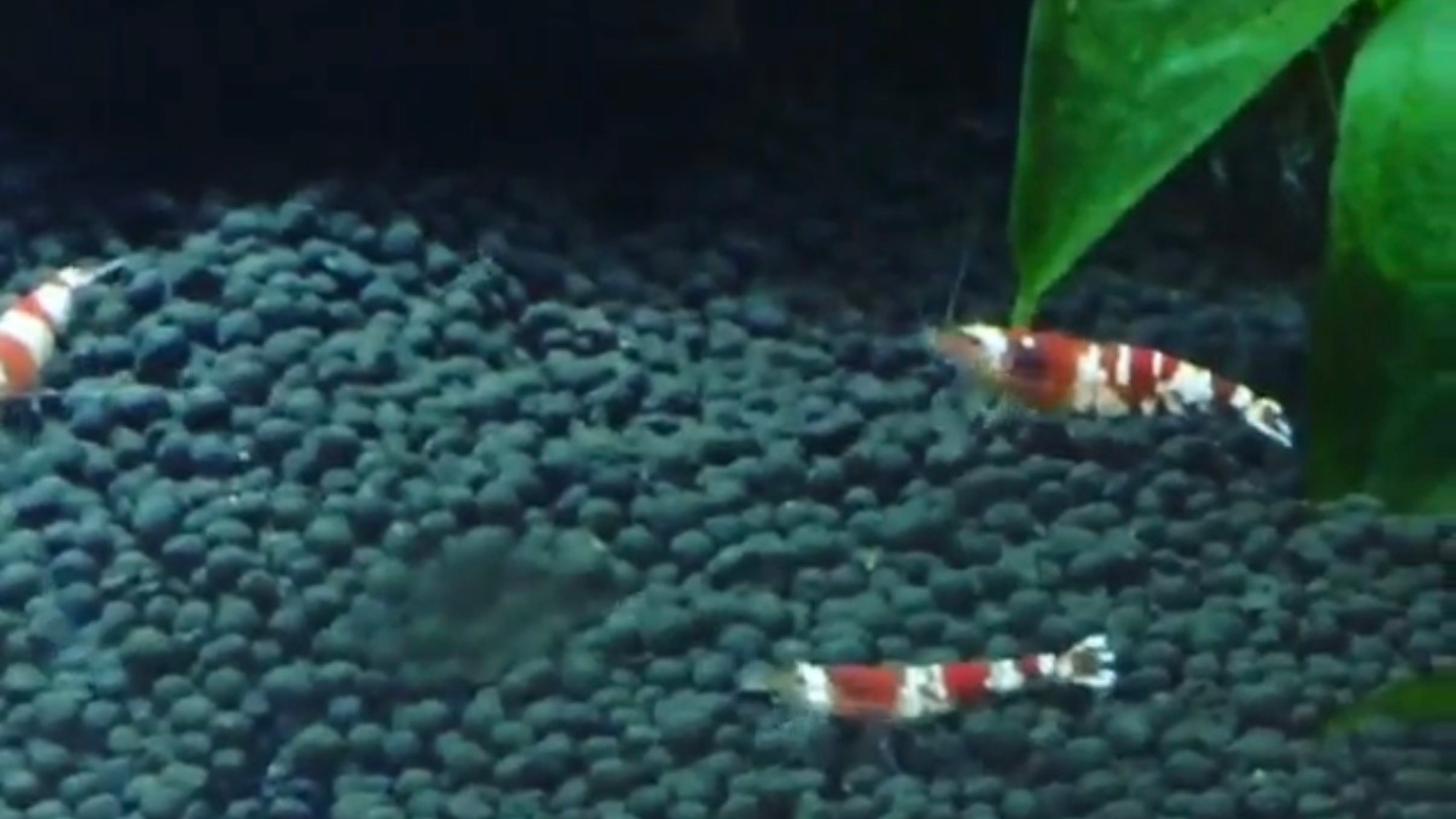
Each successful plant gave me courage to try something slightly more challenging. Cryptocorynes for mid-ground texture. Vallisneria for background movement. Even Hikari shrimp food played a role — its protein content broke down into excellent plant fertilizer, especially after Balenciaga developed his amusing habit of stealing pellets meant for my Crystal Red Shrimp colony.
The planted aquarium community proved incredibly supportive too. Forums, social media groups, local fish stores — everyone seemed genuinely excited to help beginners succeed. The intimidating expert culture I'd feared simply didn't exist among actual plant enthusiasts.
Practical Steps for Your First Planted Tank
Starting your planted aquarium journey doesn't require dramatic tank overhauls or expensive equipment purchases. Begin where you are, with what you have.
Choose bulletproof plants first. Anubias, Java fern, Amazon sword, and Marimo moss balls tolerate beginner mistakes while providing immediate visual impact. These species adapt to various water conditions and lighting levels — perfect for building confidence.
If you're starting fresh, consider plant-friendly substrate like Controsoil. If you're working with an established tank, root tabs can provide nutrients to rooted plants without complete substrate replacement. Both approaches work — choose based on your situation and comfort level.
Lighting needs assessment more than equipment. Observe your tank's natural light exposure and supplement with LED fixtures as needed. Start conservative — you can always increase lighting later, but dealing with algae problems discourages many beginners.
Water testing becomes more important with live plants, but not overwhelming. Track the basics: pH, ammonia, nitrite, nitrate. Plants will influence these parameters, but gradually and predictably. Your existing water change routine probably needs only minor adjustments.
The Living Aquarium Difference
Eighteen months later, Balenciaga's 20-gallon tank bears no resemblance to that early artificial setup. Lush sword plants sway gently in filter current. Anubias leaves provide natural resting spots. Java moss creates territory boundaries that he respects instinctively.
The transformation wasn't just visual — it was biological. Water stays cleaner longer. pH remains naturally stable. The entire ecosystem feels more resilient, more alive. This is what I was missing, I realized, watching him investigate new growth on a Cryptocoryne.
Your planted aquarium journey will look different from mine. Different fish, different plants, different challenges and victories. But the fundamental truth remains: live plants aren't advanced aquarium keeping — they're natural aquarium keeping. They're what our tanks were always meant to become.
Start simple. Choose forgiving species. Learn as you grow. Your fish — and your future self — will thank you for taking that first green step into the living aquarium world.